
Clear Beer, Real Fruit Character: Why Brewers Are Rethinking the Fruit Addition
A fruit addition can transform an ordinary base beer, but it can also introduce haze, sediment, filtration problems and flavour drift. The ingredient chosen at the start of development sets the practical limits of the finished product. Brewers increasingly want authentic aroma without turning every tank into a new troubleshooting exercise. Concentrated juice offers a way to bring fruit into the recipe with greater control over both flavour and process.
The ingredient choice sets the ceiling for the final beer
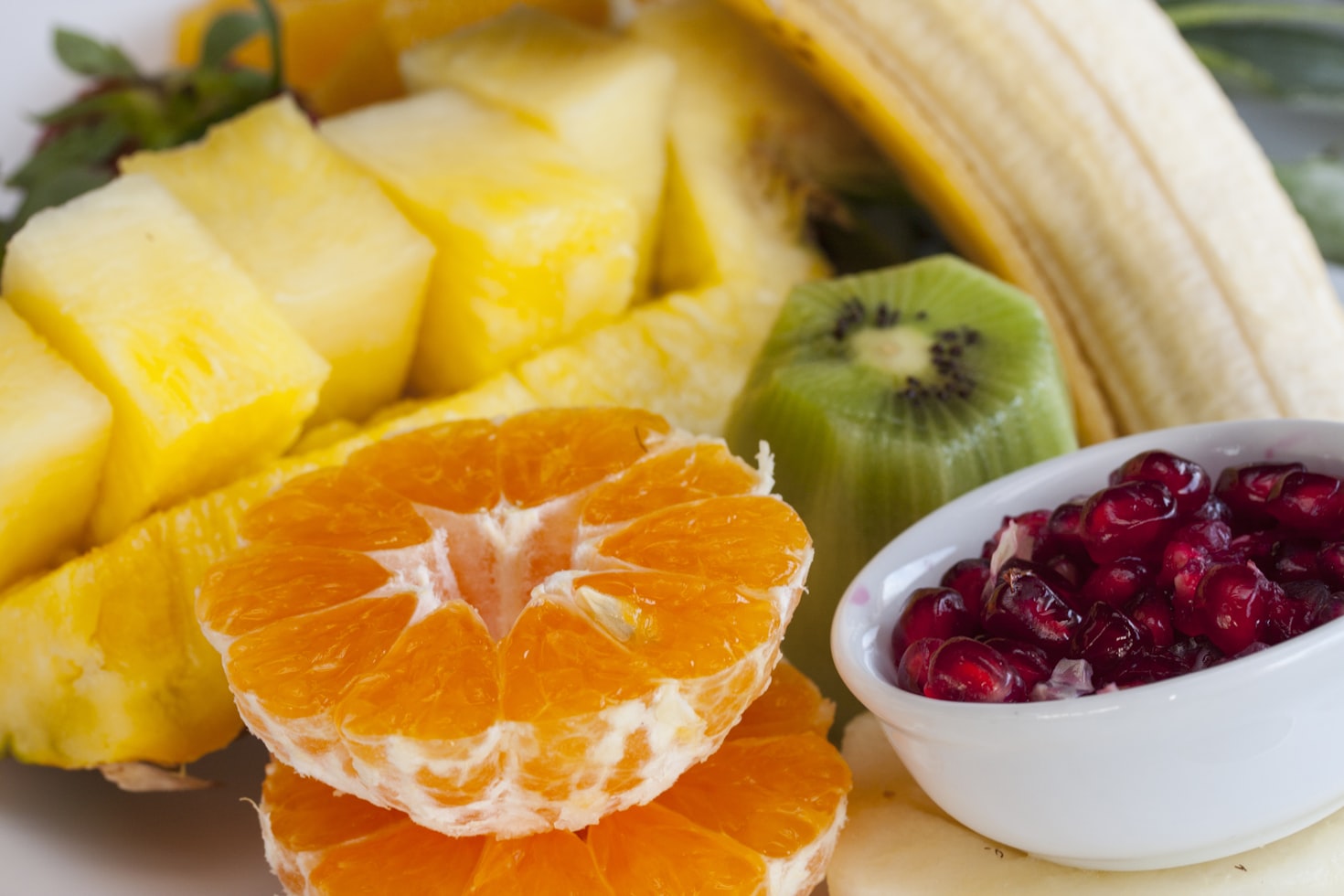
Whole fruit, puree, NFC juice and concentrate can all produce compelling beer, but they do not behave in the same way. Whole fruit and puree carry skins, fibres and natural pectin, which may add texture and complexity while increasing losses, sediment and cleaning work. NFC juice is easier to handle, yet it brings a large volume of water into the tank and can vary with cultivar, crop and processing. A concentrated juice occupies less storage space and allows the brewer to restore fruit intensity without diluting the base beer to the same degree.
Well-specified fruit juice concentrates for beer also make recipe development more measurable. Brix indicates soluble solids, while pH and acidity help the brewer anticipate how the fruit will interact with the beer’s existing balance. These values cannot predict the entire sensory result – two fruits with similar technical parameters may smell and taste very different – but they make trials easier to compare. The recipe can be adjusted by dosage rather than by guesswork, and successful settings can be transferred into a production specification.
Aroma retention is equally important. Some industrial juice processes separate aromatic fractions, leaving a technically useful but less expressive ingredient. Concentrates made to retain the full fruit profile can deliver a more recognisable result, especially in styles where aroma carries much of the drinker’s first impression. The objective is not to make every beer louder. It is to give the brewer enough authentic fruit character to choose whether the final profile should be delicate, juicy, tart or deliberately intense.
Clarity, fermentation control and repeatability are connected
Visual stability is not a cosmetic detail when a beer must travel through filtration, packaging and distribution. Pectin and fruit solids can contribute to persistent haze, tank residue and sediment in the package. In an intentionally hazy beer that may appear harmless, but it can still affect processing efficiency and consistency. Pectin-free concentrate reduces the solid load and is less likely to obstruct brewing equipment, which can mean fewer losses and a more predictable cleaning cycle.
The sugar brought by fruit also needs a defined plan. If fermentable sugars remain when the beer is packaged, pressure, flavour and sweetness may continue to change. The brewery must decide whether the fruit is intended to ferment out, whether the product will be stabilised or pasteurised, and how the final package will be verified. Using a standardised ingredient improves control because the amount of soluble solids is known, but it does not replace yeast management, microbiological testing or shelf-life validation. It simply turns an uncertain variable into one that can be measured.
Repeatability becomes especially valuable as volume increases. A small taproom batch can tolerate more manual adjustment than a product packed for retail or produced across several sites. Consistent Brix, pH and sensory specifications help purchasing, quality and brewing teams speak the same language. They also make it easier to identify whether a change in the finished beer came from the concentrate, the base beer, fermentation or packaging rather than treating every deviation as a mystery.
Matching the fruit to the beer style
Fruit works best when it has a clear role in the recipe. Cherry and chokeberry can reinforce roast, tannin and acidity in porter, stout or sour beer. Peach and apricot suit wheat beer and softer hazy styles, while pineapple, passion fruit and mango can amplify tropical hop profiles. Red grapefruit can sharpen the dry bitterness of an IPA, and berry concentrates can give gose or Berliner Weisse a vivid colour and a clean, refreshing finish. These are starting points, not rules; the base beer remains the most important part of the test.
Flavoured Spirits produces natural fruit juice concentrates for breweries and other alcohol producers, serving both craft and industrial operations across Europe. Its pectin-free portfolio includes classic and less common fruits, selected acidity variants, technical documentation and samples for production trials. The supplier’s model supports small initial orders as well as larger-scale requirements, helping a brewery validate flavour and processing behaviour before the ingredient becomes part of a regular production schedule.
A useful trial programme should compare several dosages in the actual beer, ideally after the main fermentation has reached a predictable point. Each sample should be evaluated immediately and again after carbonation and short storage, because acidity, aroma and perceived sweetness change over time. The preferred version can then move to a pilot tank with checks for filtration, sediment, refermentation and package stability. This staged approach preserves room for creativity while ensuring that the production team is not asked to solve avoidable problems at full scale.